In this post
Following severe storms in October 2020 in Banteay Meanchey (Cambodia) and April 2021 in Dili (Timor-Leste), the Asian Development Bank (ADB) requested a rapid, data-driven damage assessment to support response and recovery planning.
Traditional decision-making processes rely heavily on forecast models and in situ validations, approaches that are often slow, costly, and limited in spatial coverage at precisely the moment when time is critical.
Satellite data, combined with artificial intelligence, offers a faster and objective alternative. By analysing Earth Observation imagery, we were able to quantify impacts at scale and provide actionable insight within days of the events.
Amongst other key elements, we addressed the following key questions:
-
How many households were affected?
-
Which roads were disrupted?
-
Were hospitals and schools still accessible?
-
To what extent were crops destroyed?
-
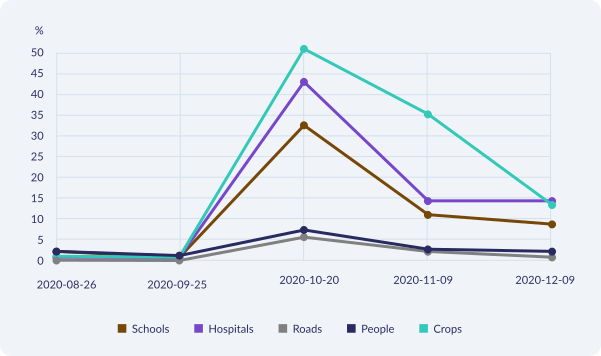
How quickly was recovery progressing?
Water extent mapping
We assessed flood extent by generating flood masks using neural networks applied to optical and radar satellite imagery. This enabled precise mapping of inundated areas, even under cloud cover.
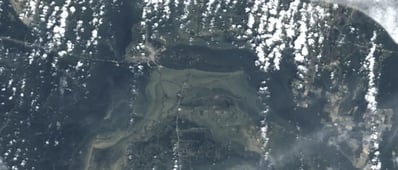
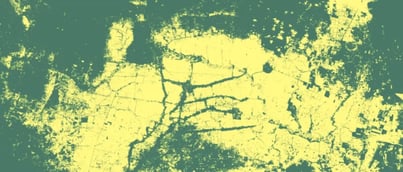
Optical EO Image Flooding mask
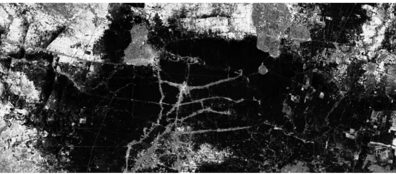
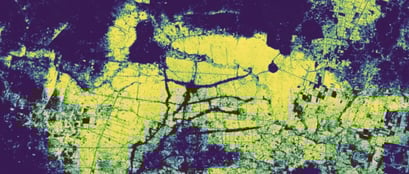
Radar EO Image Flooding mask
Asset mapping
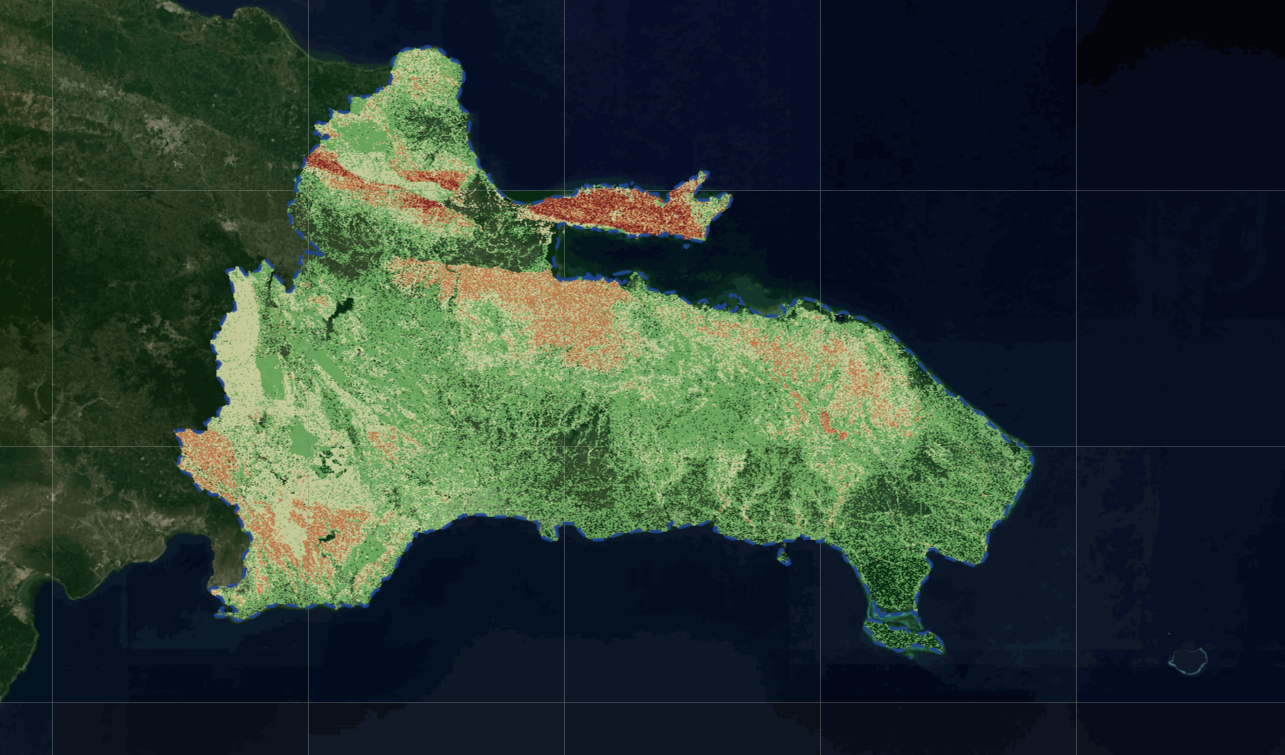
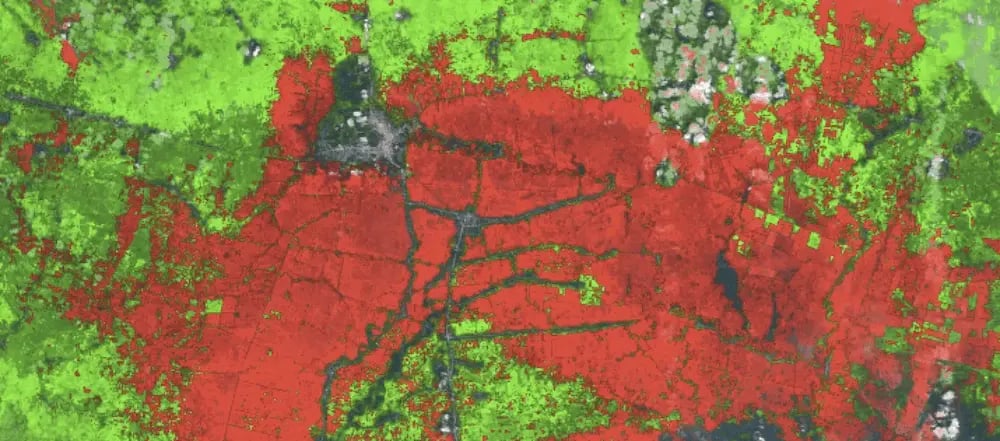
We identified following crop areas by using deep learning algorithms:
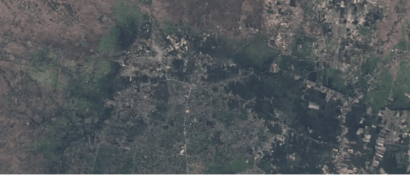
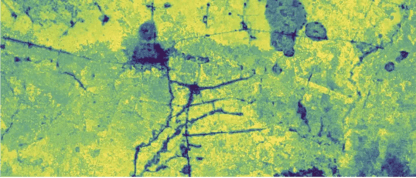
Eo Image NN Crop model
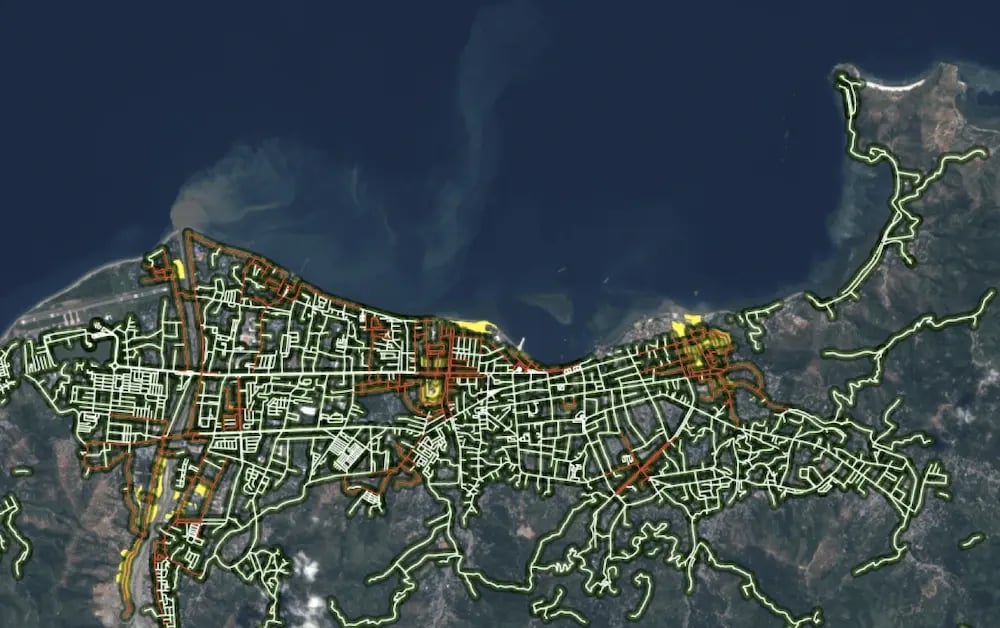
...while additional datasets — including population distribution, roads, and infrastructure locations — were integrated from open data sources to create a comprehensive exposure map:
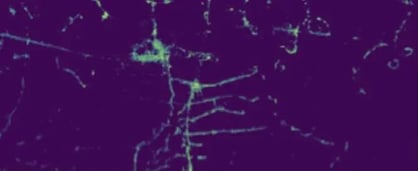
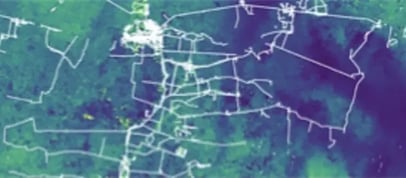
Population Roads
Impact quantification & Recovery Monitoring
We didn't use only the above, but we carried a thorough classification and segmentation by using in-house developed models which were applied to assess damage to crops, roads, schools, health centres, and residential areas. Beyond initial impact assessment, continuous monitoring allowed tracking of recovery progress in the weeks and months that followed.
Finally, quantifying destruction is essential not only for emergency response, but also for allocating reconstruction funds, prioritising interventions, and supporting long-term resilience planning.
Key figures for the province of Banteay Meanchey
The flooding in numbers:
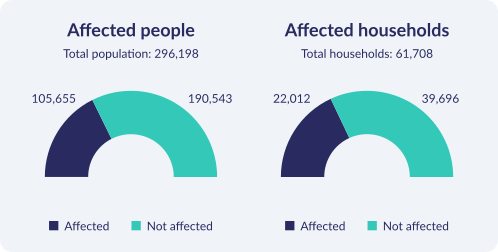
105,656 people affected
21,471 people displaced
3 health centres affected
4,476 households displaced
Of these, with images:
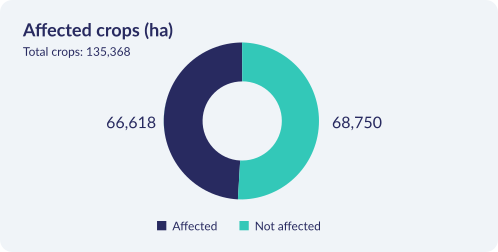
47% of crops affected
107 schools affected
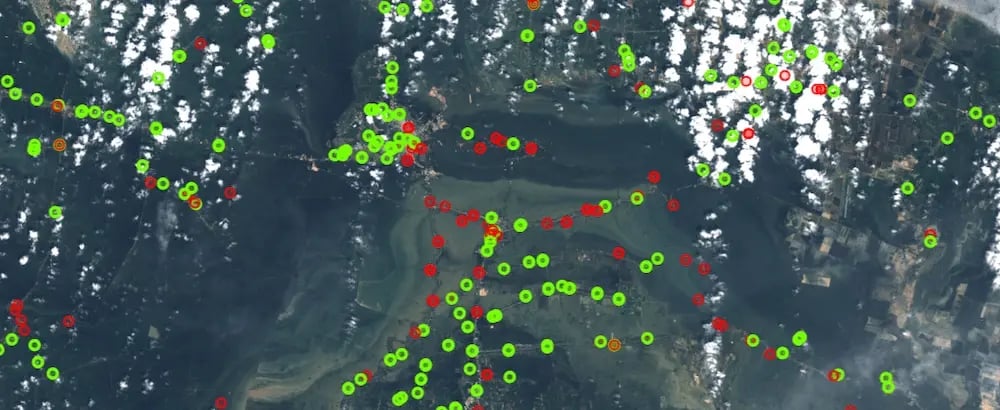
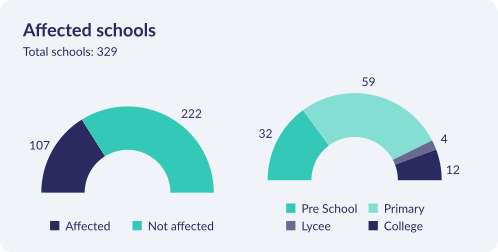
23,858 students affected
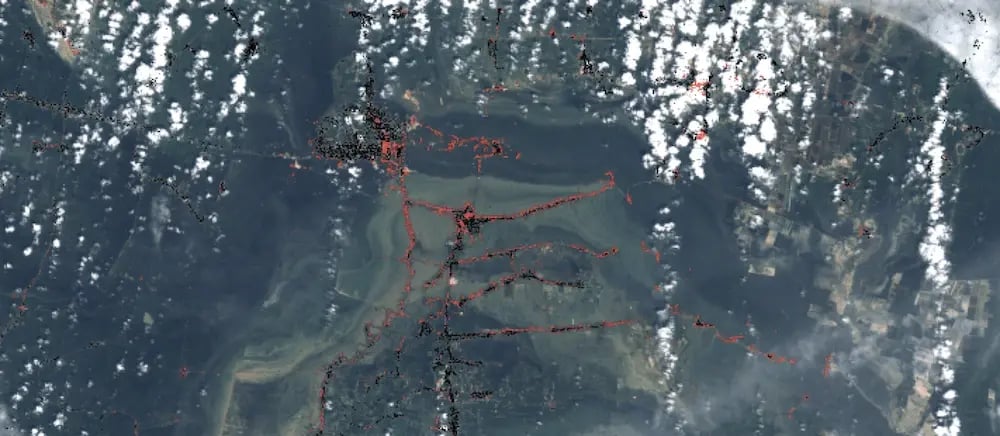
71 roads affected